
In-Line vs. Out-of-Line Production: Designing for Efficiency, Flexibility, and Long-Term Value
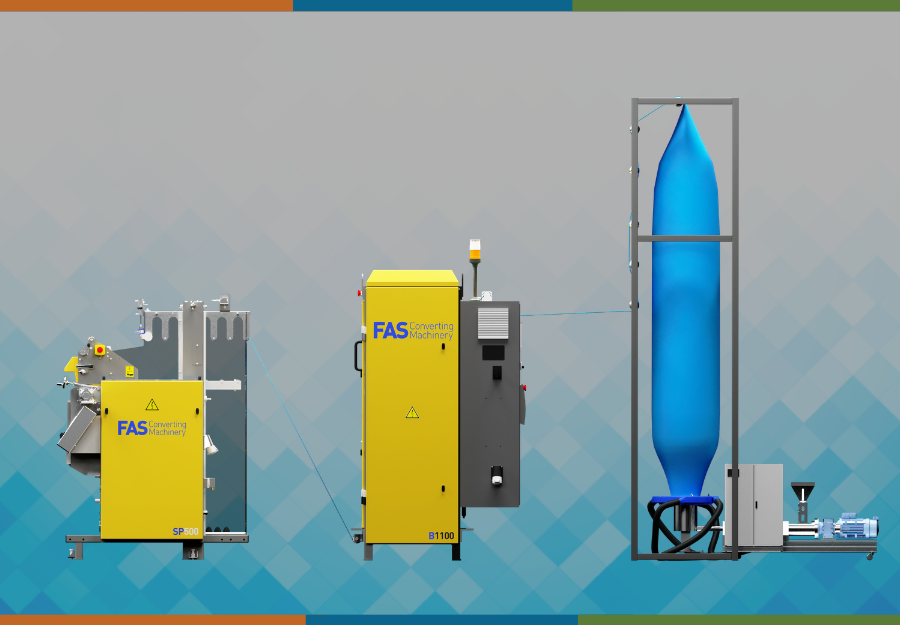
In converting and flexible packaging, how production is configured can be just as important as the equipment itself. One of the most critical decisions manufacturers face is whether to operate in-line or out-of-line.
This is not simply a technical choice—it is a strategic one. It directly impacts throughput, labor efficiency, quality control, and the ability to adapt to changing production demands.
Understanding the advantages of each approach—and when to apply them—can unlock significant operational gains.
What Is In-Line Production?
In-line production integrates multiple converting processes into a single continuous workflow, where each step feeds directly into the next without interruption.
From extrusion or printing to sealing, winding, and packaging, everything happens within one synchronized system.
The result is a seamless flow of material with minimal manual handling and virtually no downtime between steps.
The Advantages of In-Line Production
Maximum Efficiency and Throughput
- In-line production eliminates the need to stop, transfer, and restart materials between processes. This continuous flow significantly reduces cycle times and increases overall output.
- For high-volume applications—such as trash bags on rolls or drawtape products—this efficiency translates directly into higher productivity.
Reduced Labor and Handling
Because processes are connected, there is less need for manual intervention. Material does not need to be moved, staged, or reloaded between steps. This reduces labor costs while also minimizing the risk of handling-related defects or damage.
Consistent Quality and Real-Time Control
- In-line systems enable real-time monitoring and adjustments, ensuring that quality is maintained throughout the entire production run.
- Defects can be detected and corrected immediately—before large volumes of material are affected.
Lower Total Cost of Production
While in-line systems may require a higher upfront investment, they often deliver lower long-term operating costs through:
- Reduced scrap and waste
- Fewer operators
- Higher uptime and output
Over time, these efficiencies compound into a strong return on investment.
What Is Out-of-Line (Off-Line) Production?
Out-of-line production separates processes into independent stages, often using standalone equipment.
Material is produced in one step, then transferred—either manually or automatically—to another machine for further processing.
This approach introduces flexibility but also additional handling and time between operations.
The Advantages of Out-of-Line Production
Greater Flexibility
Out-of-line systems allow manufacturers to adjust individual steps without affecting the entire production line.
This makes them ideal for:
- Short runs
- Product variations
- Frequent changeovers
Specialized Processing Capabilities
- Certain processes—such as complex finishing, inspection, or customization—are often better suited to dedicated equipment.
- Out-of-line production enables the use of specialized machinery that may not be practical to integrate into a continuous line.
Easier Troubleshooting and Maintenance
Because each step operates independently, issues can be isolated and resolved without shutting down the entire production system.
In-Line vs. Out-of-Line: Not Either/Or—But Strategic
The reality for most converting operations is not choosing one over the other—it is understanding how to leverage both.
- In-line production excels in speed, consistency, and high-volume output
- Out-of-line production provides flexibility, customization, and control
Many modern facilities adopt a hybrid approach, using in-line systems for core production and out-of-line equipment for specialized or secondary processes.
Where FAS Converting Fits In
This is where flexibility in machine design becomes a competitive advantage.
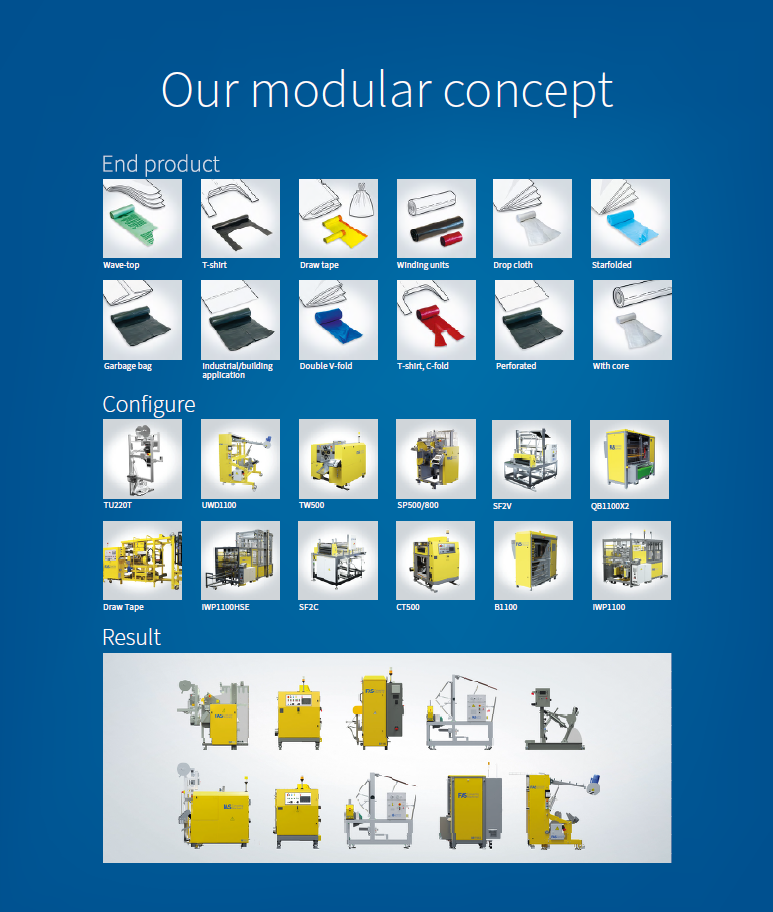
Many of FAS Converting’s systems are engineered to operate both in-line and out-of-line, giving converters the ability to configure production based on their specific needs—not the limitations of their equipment.
In-Line Integration
FAS equipment can be integrated directly into upstream processes, enabling:
- Continuous production of bags on a roll
- Reduced material handling and transfer steps
- Higher throughput with synchronized automation
For high-volume operations, this creates a streamlined, end-to-end converting solution.
Out-of-Line Versatility
At the same time, FAS machines are equally effective as standalone systems, offering:
- Flexibility for varying product types
- Ability to run independently of upstream constraints
- Ideal solutions for job changes, testing, or smaller production runs
A Future-Proof Approach
This dual capability allows converters to:
- Start with out-of-line production and scale into in-line integration
- Adapt to changing customer demands
- Optimize production without replacing core equipment
In a market where product mix, material types, and production volumes are constantly evolving, this flexibility is critical.
The Bottom Line
In-line production delivers unmatched efficiency, consistency, and cost advantages for high-volume operations. Out-of-line production provides the flexibility and control needed for customization and variability.
The most effective converting operations do not choose one—they design systems that can adapt between both.
With equipment that supports both in-line and out-of-line configurations, manufacturers are no longer forced into a fixed production model. Instead, they gain the freedom to optimize for today—and evolve for tomorrow.
If you would like more information, reach out and connect with us!